
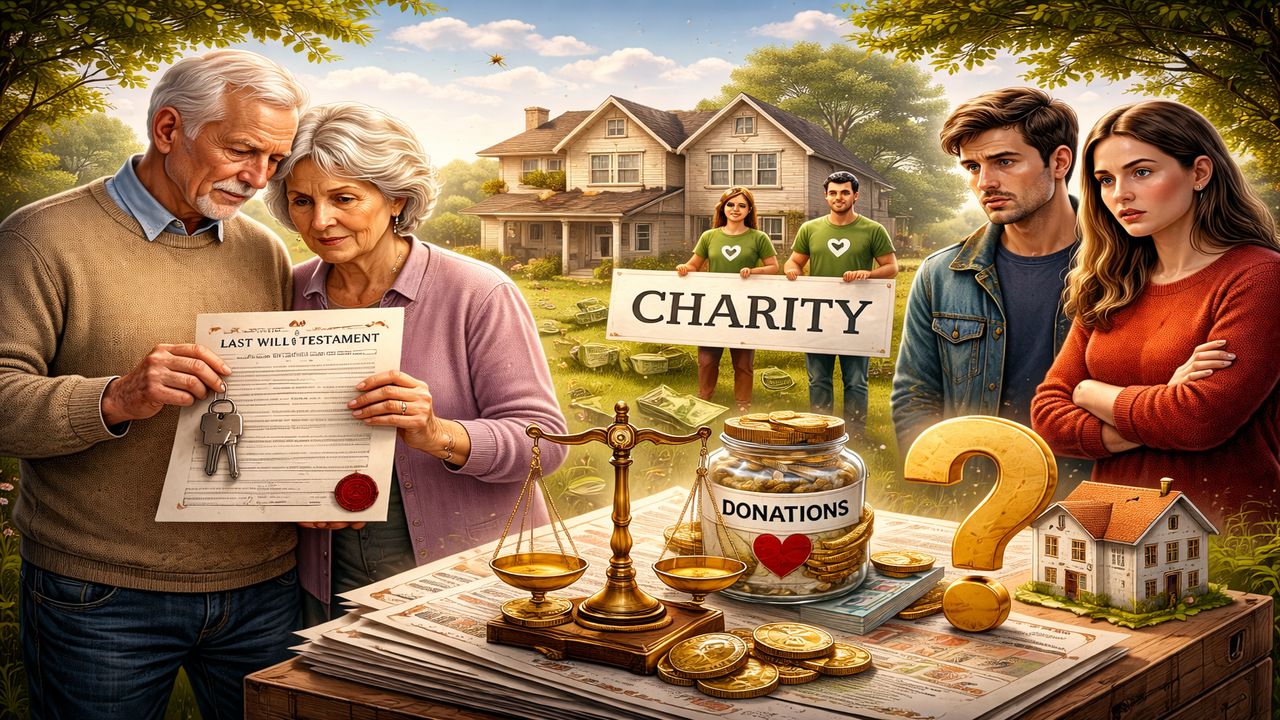
A modest house. A small savings account. Two adult children. And a will that leaves most of it to a cultural foundation. Stories like this travel fast because they tap into something deeper than probate paperwork. They raise questions about freedom, fairness and obligation — especially in a country where property has become the dividing line between security and precarity.
But beyond the emotion, there is a legal reality in England and Wales (with differences in Scotland and Northern Ireland) that governs what can — and cannot — happen when someone rewrites their will.
Here is what UK readers need to understand.
Latest Stories
 UK Landowners Warned to Clarify Hive Agreements, What It Means for Tax and Property Status
Can a Parent Leave Everything to a Charity?
In England and Wales, the starting principle is testamentary freedom.
That means an individual can generally leave their estate to:
- A charity
- A foundation
- A friend
- One child but not another
- Or anyone else they choose
They are not legally required to split assets equally between children.

However, that freedom is not absolute.
When Can a Will Be Challenged?
Under the Inheritance (Provision for Family and Dependants) Act 1975, certain people can challenge a will if it fails to make “reasonable financial provision”.
Eligible claimants include:

- Spouses or civil partners
- Former spouses (in some cases)
- Children (including adult children)
- Dependants financially maintained by the deceased
Adult children can bring a claim — but success is not guaranteed.
Courts consider:
- The claimant’s financial needs
- The size of the estate
- The deceased’s obligations
- Any disabilities
- The relationship between the parties
A modest estate does not prevent litigation. In fact, smaller estates often trigger more intense disputes because the asset — usually a home — represents life-changing security.

Why “Small” Inheritances Feel So Big
In legal terms, a small brick house is an asset.
In social terms, it can mean:
- Escaping the rental market
- Stability for grandchildren
- Avoiding future debt
- Breaking a cycle of insecurity
When property values have risen sharply over decades, the generational divide widens.
Latest Stories
 Council Tax and Agricultural Use Rules Explained for Hive Hosts, Check Your Land’s Tax Status First
Parents who bought homes cheaply in the 1980s may see their property as the result of discipline and sacrifice. Children facing high rents and insecure work may see inheritance as the only realistic path to ownership.
That gap fuels emotional conflict.
Does the Law Consider “Fairness”?
Courts do not measure fairness emotionally. They measure it financially.

An adult child who is:
- Financially independent
- Employed
- Not disabled
may struggle to argue they were owed provision.
However, if a child can show genuine financial hardship or dependency, the court may award a share of the estate — even if the will says otherwise.
Latest Stories
 Retiree Faces Tax Bill After Letting Beekeeper Use His Land – Handshake Deal Turns Into Tax Dispute for Landowner
Each case is fact-specific.
When Culture Meets Class
Legal disputes over wills often mask deeper tensions:
- Education differences
- Career expectations
- Perceived success or failure
- Lifestyle judgments
A will can feel like a final verdict on a lifetime relationship.

But courts do not rule on dignity. They rule on financial provision.
What Happens If a Claim Is Filed?
If an adult child challenges a will:
- A claim must usually be brought within six months of probate.
- Mediation is often encouraged before trial.
- Legal costs can be significant.
- Estates can be reduced by litigation fees.
In many cases, disputes settle out of court.

Can Leaving Money to Charity Reduce Inheritance Tax?
Yes.
If 10% or more of a net estate is left to charity, the Inheritance Tax (IHT) rate on the remainder may reduce from 40% to 36%.
Charitable gifts are also generally exempt from IHT.

This financial dimension sometimes influences estate planning decisions.
Why Talking Early Changes Outcomes
Most inheritance conflicts erupt because intentions are revealed only after death.
Early discussion allows:

- Context
- Clarification
- Emotional processing
- Alternative arrangements
For example:
- Lifetime gifts
- Property sharing agreements
- Trust structures
- Partial charitable donations
Silence amplifies shock.
Practical Steps for Parents Considering a Major Will Change
If you plan to leave most of your estate outside your immediate family:

- Take independent legal advice
- Record your reasoning clearly
- Consider writing a detailed letter of wishes
- Assess potential 1975 Act claims
- Discuss intentions while alive if possible
Clear documentation reduces the risk of successful challenge.
Practical Steps for Adult Children
If you feel excluded:
- Obtain a copy of the will
- Review the estate’s size
- Seek specialist probate advice
- Act promptly (six-month time limit applies)
But also weigh the emotional and financial cost of litigation.

The Bigger Social Question
Inheritance disputes increasingly reflect broader UK tensions:
- Property wealth concentration
- Housing affordability
- Intergenerational inequality
- Cultural divides
The legal system resolves distribution.
It does not resolve resentment.
FAQs
Can parents disinherit their children in the UK?
Yes, in England and Wales, but children may challenge the will under the 1975 Act.
Can adult children win a claim?
Sometimes, especially if financially dependent or in hardship.
Is leaving money to charity legal?
Yes. Charitable gifts are permitted and usually exempt from Inheritance Tax.
How long do I have to challenge a will?
Generally six months from the date probate is granted.
Do courts split estates equally?
No. Courts assess reasonable financial provision, not emotional fairness.
Does this apply across the UK?
Rules differ in Scotland and Northern Ireland, where forced heirship principles may apply.